
Personal Injury Law: Understanding Your Rights After an Injury
Personal injury law focuses on situations where someone is hurt because of another person’s actions or negligence. These cases often involve injuries from accidents, defective products, or unsafe conditions at work, rental properties, or businesses.
People usually seek personal injury guidance after experiencing an event such as:
A car, truck, or motorcycle accident
A slip, trip, or fall on someone else’s property
An injury caused by unsafe conditions or negligent behavior
An injury caused by a defective product
Sometimes the path forward is clear. In other situations, things can become more complicated, especially when injuries are serious or fault is disputed.
Accidents happen every day across San Antonio’s busy roads, workplaces, and public spaces. Understanding your rights can help you make informed decisions if you are injured. This page will help you understand your options and next steps.
Do You Need a Lawyer?
Not every injury situation requires a lawyer. Sometimes, minor incidents can be resolved directly through insurance claims, or by working with the other party involved.
However, legal guidance is helpful when:
The accident resulted in someone’s death or injuries that require medical treatment or ongoing care
Insurance companies dispute fault or offer low settlements
Multiple parties may be responsible
Lost wages or other long-term impacts on livelihood are involved
The injury affects your ability to work or perform daily activities
If you’re unsure about your rights, responsibilities, or potential compensation, a consultation with a qualified personal injury lawyer serving the San Antonio community can help you understand your options.
Choosing the Right Personal Injury Lawyer
Personal injury law often involves negotiating with insurance companies, gathering evidence, and sometimes pursuing claims in court.
When looking for a lawyer, consider whether they:
Regularly handle personal injury cases
Have experience dealing with insurance companies
Clearly explain fees and timeline upfront
Communicate clearly and listen to your concerns
You should feel comfortable asking questions. A good attorney will explain things clearly and outline next steps without pressure.
Preparing for a Consultation
Bringing what you can will help the attorney understand your situation.
If you were injured in an accident, try to gather:
Medical records or documentation of any treatments
Photos of injuries, vehicles, or the scene of the accident
Police or incident reports, if available
Insurance information for parties involved
It can also help to write down what you remember about the event while it is still fresh in your mind.
If emergency services responded to the accident in San Antonio, a police or incident report may be available from local law enforcement.
Think about your main goal before the consultation. Are you trying to recover medical expenses? Understand your legal rights? Determine whether a claim is possible? Being clear about what you want can help guide the conversation.
Top 5 Questions to Ask During an Personal Injury Law Consultation
If you’re preparing to speak with a lawyer soon, these questions can help you to get clarity quickly:
What type of claim applies to my situation? Understanding whether your case involves negligence, liability, or another legal issue helps clarify the next steps.
Do I have a strong case? An attorney can help evaluate the available evidence and decide whether pursuing a claim makes sense.
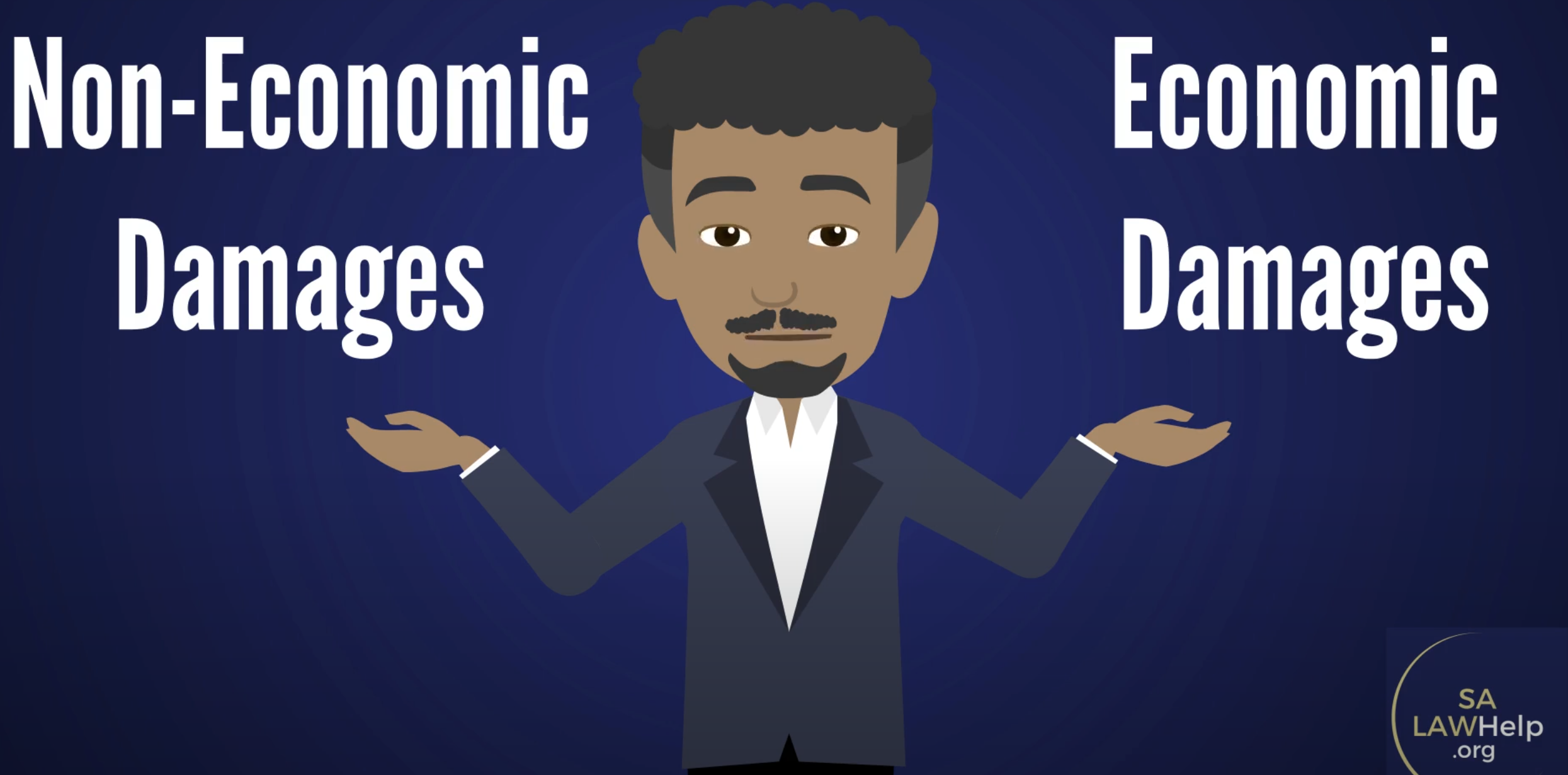
What compensation might be available? This may include medical expenses, lost wages, property damage, or other impacts related to the injury.
How long might this process take? Personal injury claims can vary in length depending on the complexity of the case and negotiations with insurers. It can sometimes take years to resolve your case.
What will it cost to work with you? Ask how the lawyer charges for their services. Many personal injury lawyers work on a contingency fee basis, meaning they collect their fee as a percentage of the final settlement.
Explore Helpful Resources
You may find it helpful to learn more about:


Ready to Take the Next Step?
Personal injury situations can move quickly, especially when medical bills, insurance claims, or missed work are involved. Getting reliable information early can help you protect your rights and make informed decisions.
If you’d like legal guidance tailored to your situation, you can connect with a qualified San Antonio personal injury attorney through our Lawyer Referral Service. If you’re still gathering information, you can explore trusted resources at your own pace.